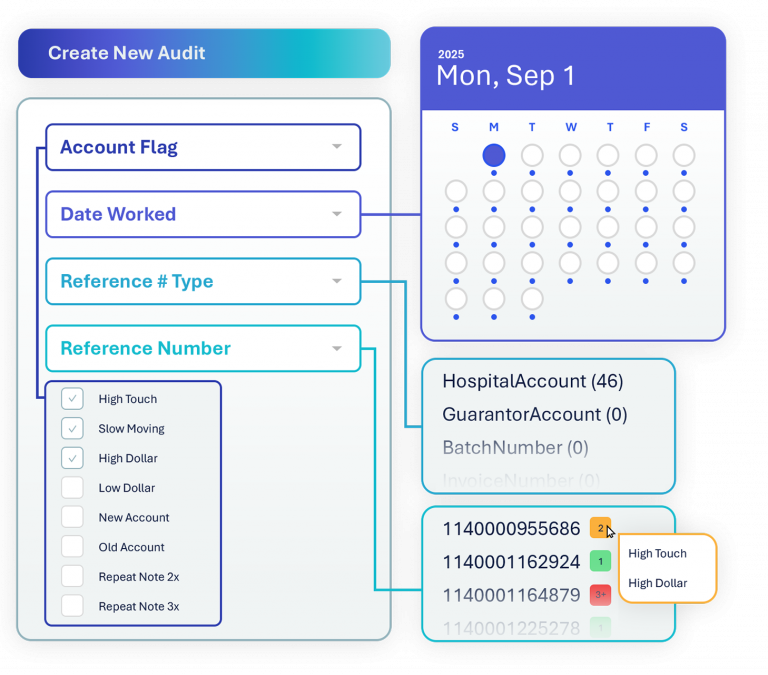
Denials prevention is a revenue cycle challenge that is a shared responsibility, requiring alignment across clinic operations and PB revenue cycle leadership. Too often, organizations focus heavily on reworking denials after they’ve already occurred, leaving valuable dollars and staff time on the table.
By creating a joint task force, clinic operations and revenue cycle leaders can shift from reactive fixes to proactive prevention. When both groups share ownership of the problem, align on key metrics, and collaborate on sustainable solutions, the result is stronger financial performance, improved patient access, and reduced operational friction.
1. Defining the Purpose of the Task Force
A joint task force brings together professional billing revenue cycle and clinic operations leaders to proactively reduce preventable denials. Rather than working in silos, this team operates with one shared mission: addressing denial risk at the source. A united front ensures that both clinical workflows and revenue processes are optimized to support accurate, timely, and clean claims.
2. Identifying the Right Stakeholders
For the task force to succeed, it must include the right mix of voices. Representation from clinic operations, professional billing revenue cycle, coding, scheduling, registration, and front-end staff ensures every step of the patient-to-payment journey is covered. By engaging stakeholders at all levels, organizations can identify pain points, address gaps, and implement changes that stick.
3. Establishing Shared Metrics and Definitions
Alignment begins with a common language. Defining what qualifies as a preventable denial, how it will be measured, and which KPIs matter most sets the foundation for collaboration. When everyone measures success the same way, the task force can track progress more effectively and avoid miscommunication across departments.
4. Building the Meeting Structure
The best task forces solve root problems together. Regular, well-structured meetings with clear agendas, documented discussions, and tracked action items create momentum. Each meeting should end with accountability: who owns which action, by when, and how results will be reported. This turns discussions into tangible improvements.
5. Creating a Centralized Denials Dashboard
A shared dashboard is the task force’s single source of truth. With visibility into denial trends, root causes, and performance by clinic or market, leaders can focus on solving problems rather than debating data. The dashboard fosters transparency, supports data-driven decision-making, and ensures all stakeholders are aligned on reality, not perception.
6. Tackling Denials Through Root Cause Analysis
Surface-level denial codes don’t always tell the full story. A true prevention strategy requires root cause analysis that digs deeper into process breakdowns. For example, a “missing authorization” denial may stem from unclear clinic workflows or incomplete documentation. By addressing the underlying “why,” organizations build sustainable fixes rather than temporary workarounds.
7. Standardizing Prevention Workflows
Variation is one of the biggest contributors to denials. Standardizing critical workflows like eligibility verification, prior authorizations, documentation practices, and coding protocols, reduces risk and ensures consistency across all clinics. This doesn’t mean a one-size-fits-all approach, but rather creating reliable guardrails that support accuracy and compliance.
8. Promoting Accountability and Follow-Through
Accountability keeps the task force moving forward. Assigning clear ownership of action items, tracking progress transparently, and celebrating wins motivates team members and builds trust. Recognizing successes, even small ones, reinforces that denial prevention is possible and worth the effort.
9. Leveraging Technology and Automation
Technology is a critical enabler of denial prevention. Tools such as automated eligibility verification, claim editing, and integrated workflows help teams identify issues before they result in denials. By leveraging automation, staff can focus on resolving exceptions rather than chasing routine errors.
10. Sustaining the Task Force Long-Term
Denial prevention is an ongoing discipline. To sustain impact, the task force must evolve with new payer rules, regulatory updates, and organizational priorities. Regularly refreshing goals, sharing best practices, and onboarding new members ensures the work remains relevant and effective over time.
Conclusion
Preventing denials is a team sport. When clinic operations and revenue cycle leaders align, they build stronger systems, reduce friction, and improve financial health for both patients and providers.
The call to action is clear: commit to shared metrics, shared accountability, and shared wins. Because when it comes to preventing denials, we are stronger together.
How Healthrise Can Help
At Healthrise, we know that denial prevention requires both strategy and the right tools. That’s why we partner with health systems to align clinic operations and revenue cycle teams, while also delivering technology that makes prevention practical and scalable.
Our Denials Navigator platform provides the visibility and accountability task forces need to succeed. With a centralized dashboard, automated reporting, and root cause analysis capabilities, Denials Navigator helps leaders track trends, standardize workflows, and take action before denials occur.
We bring:
- End-to-end expertise with a deep understanding of clinical and billing workflows to align stakeholders and drive results
- Denials Navigator technology that transforms data into actionable insights and supports accountability across teams.
- Custom denial prevention frameworks tailored to organizational goals, payer rules, and clinical workflows.
- Hands-on partnership to keep taskforces engaged, accountable, and focused on measurable results.
Whether you’re building a new taskforce or strengthening an existing one, Healthrise offers Consulting Services that combine strategic alignment with Denials Navigator’s measurable insights to create the structure and accountability needed for sustainable denial prevention. By partnering with us, organizations can reduce denials, improve financial performance, and free up staff to focus on what matters most: patient care.
Ready to tackle denials management? Discover how Healthrise can help your organization thrive.
Contact Us